

Miami Interior Style: Room-by-Room AI Design Guide
Use DesignSense AI to test a bright Miami interior style across every room before you decorate, stage, renovate, or list.
AI Interior Design
DesignSense insights for real estate teams, hosts, and designers who need clearer room presentation, faster approvals, and visuals that feel credible in-market.

Use DesignSense AI to test blue and white living rooms, bedrooms, kitchens, bathrooms, offices, patios, and full-home palettes.
Use DesignSense AI to test a bright Miami interior style across every room before you decorate, stage, renovate, or list.

Use DesignSense AI to test a modern rustic style home room by room before you renovate, furnish, stage, or list.

Use DesignSense AI to test cream and white living rooms, bedrooms, kitchens, bathrooms, offices, patios, and full-home neutral palettes.

Create a glamorous but realistic Hollywood Regency style direction across every room before you decorate, stage, renovate, or present concepts.

Use DesignSense AI to test a farmhouse style home room by room before you paint, shop, renovate, stage, or list.

DesignSense AI and Collov AI both support AI property visuals, but they describe different workflows for staging, room redesign, image finishing, and real estate media editing.
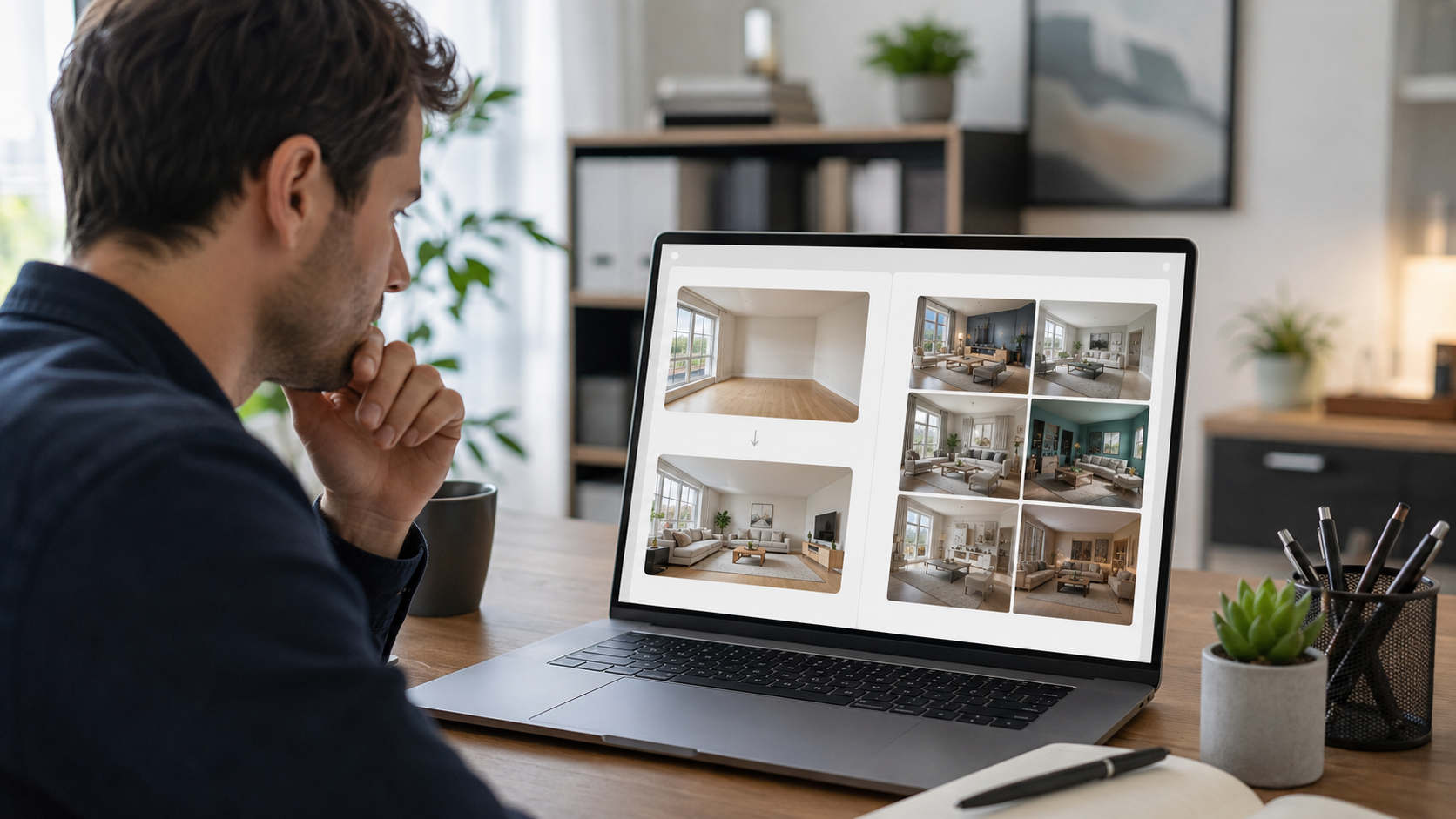
DesignSense AI and Interior AI both help create AI room visuals, but they describe different workflows for property-photo staging, room redesign, and interior design exploration.
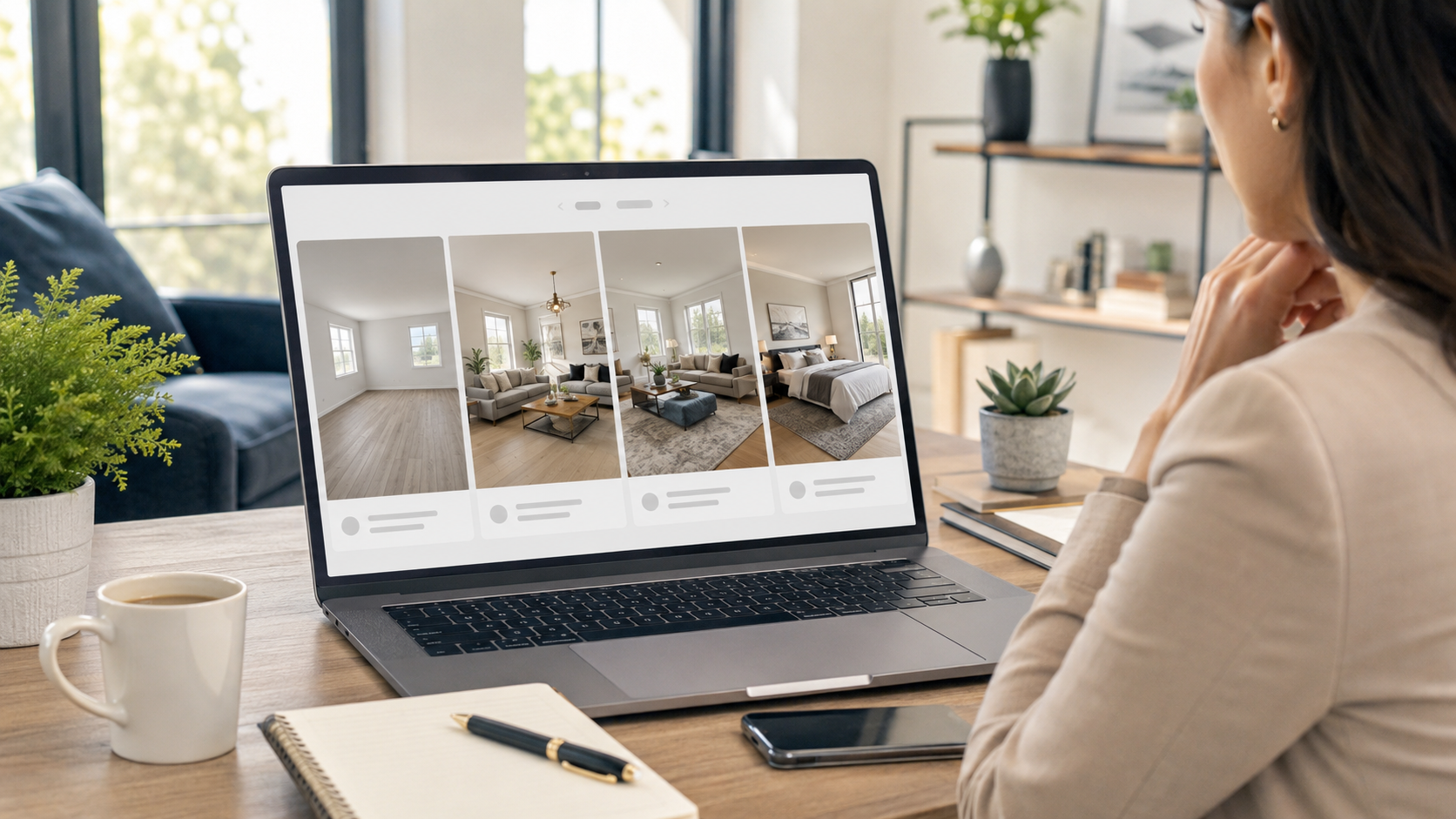
A non-ranked guide to AI virtual staging tools, including the workflows, public feature categories, review considerations, and publishing questions real estate teams should compare.

Virtual staging ROI is best measured by whether staged photos improve buyer understanding, reduce presentation friction, and support a faster listing workflow.
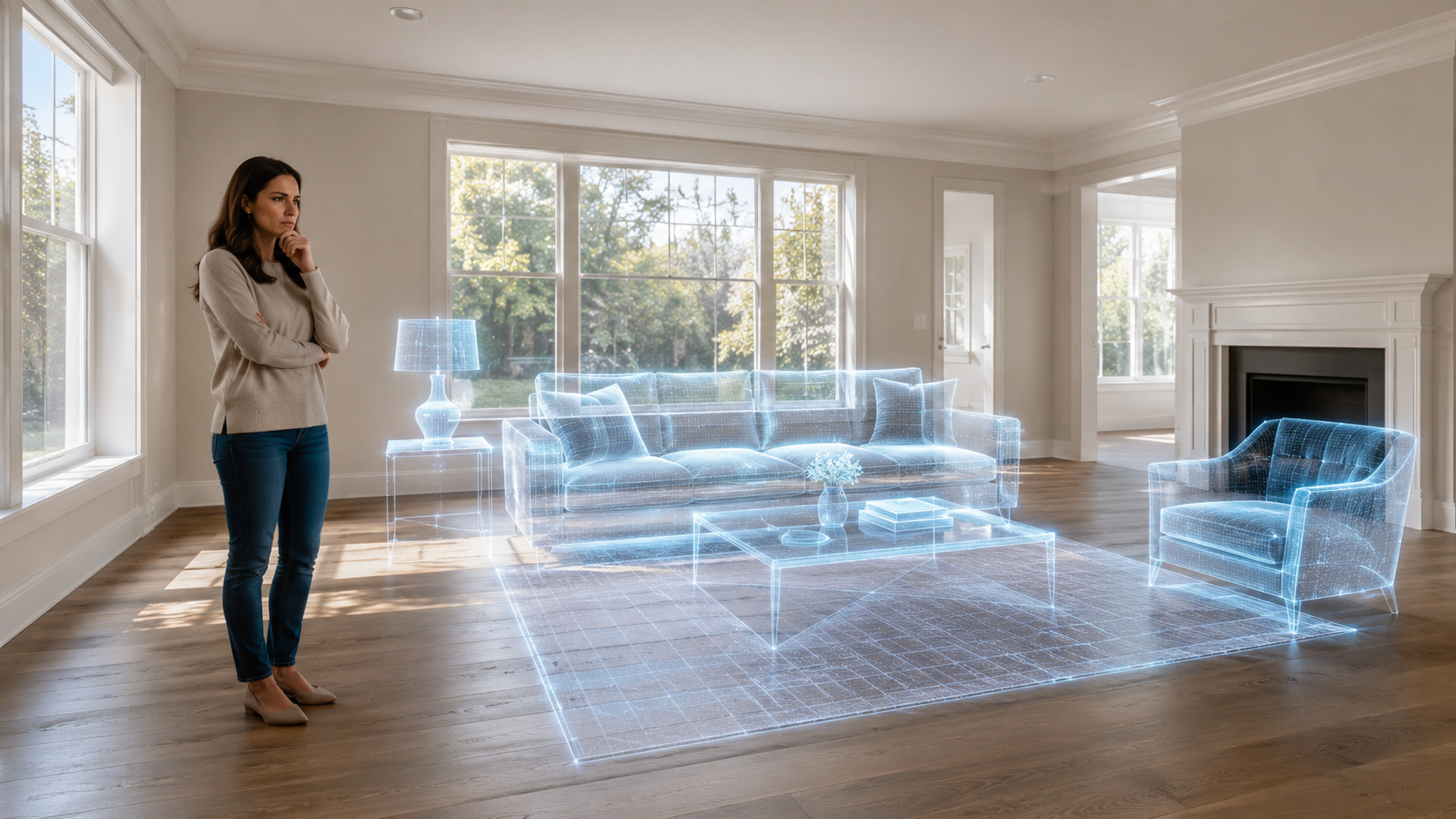
Most virtual staging objections are really questions about trust, realism, disclosure, and whether the image still represents the property honestly.
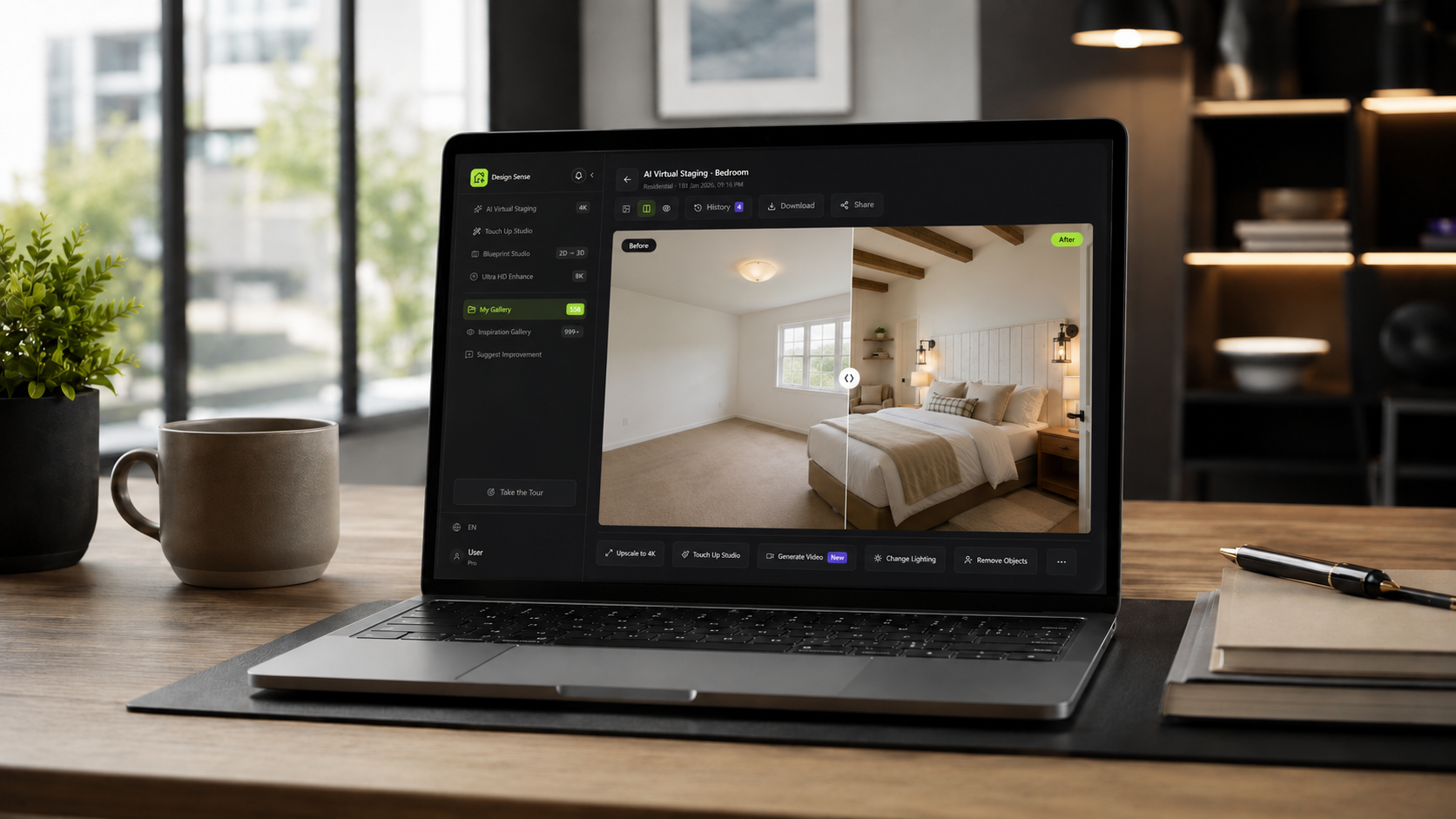
Virtual staging helps agents make empty or hard-to-read rooms easier for buyers to understand without waiting on furniture, movers, or a physical staging schedule.
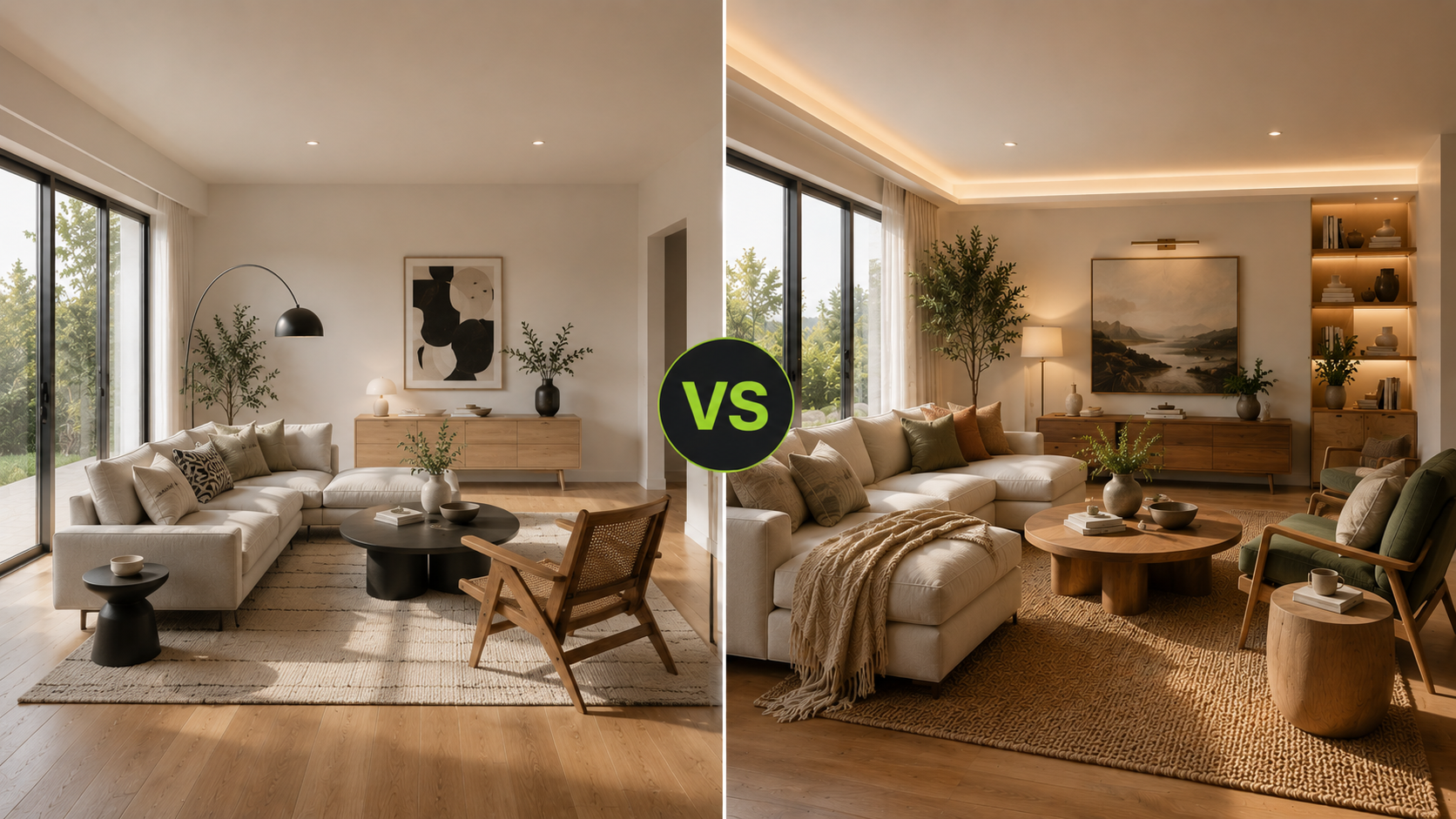
AI room redesign and virtual staging both start from a room image, but they solve different problems: planning a change vs marketing a property.

Renovation visualization helps contractors and trades turn early client ideas into clear visual options before scope, materials, and estimates are finalized.
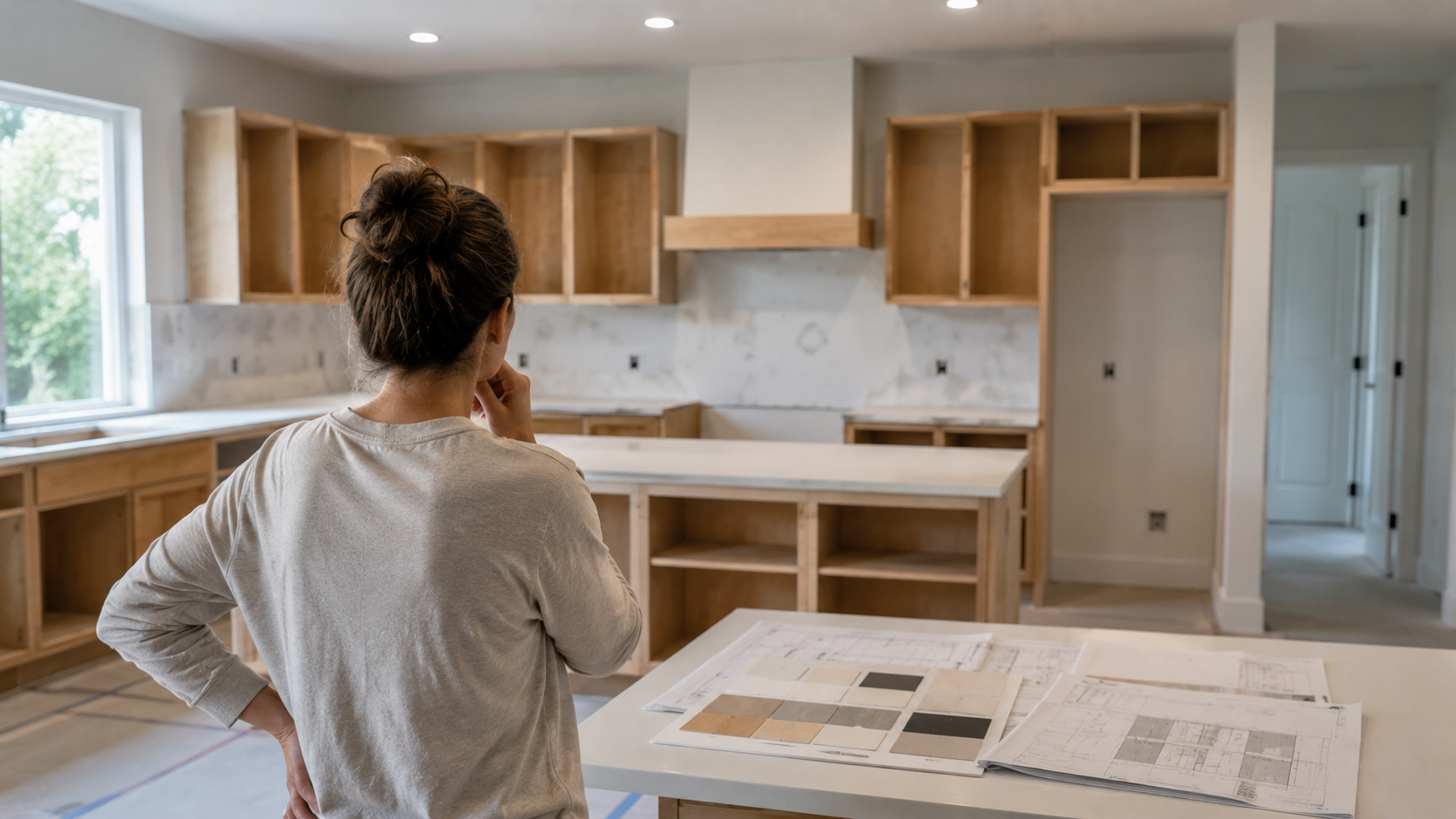
AI room redesign helps homeowners turn a real room photo into practical design directions before spending on furniture, finishes, or renovation work.
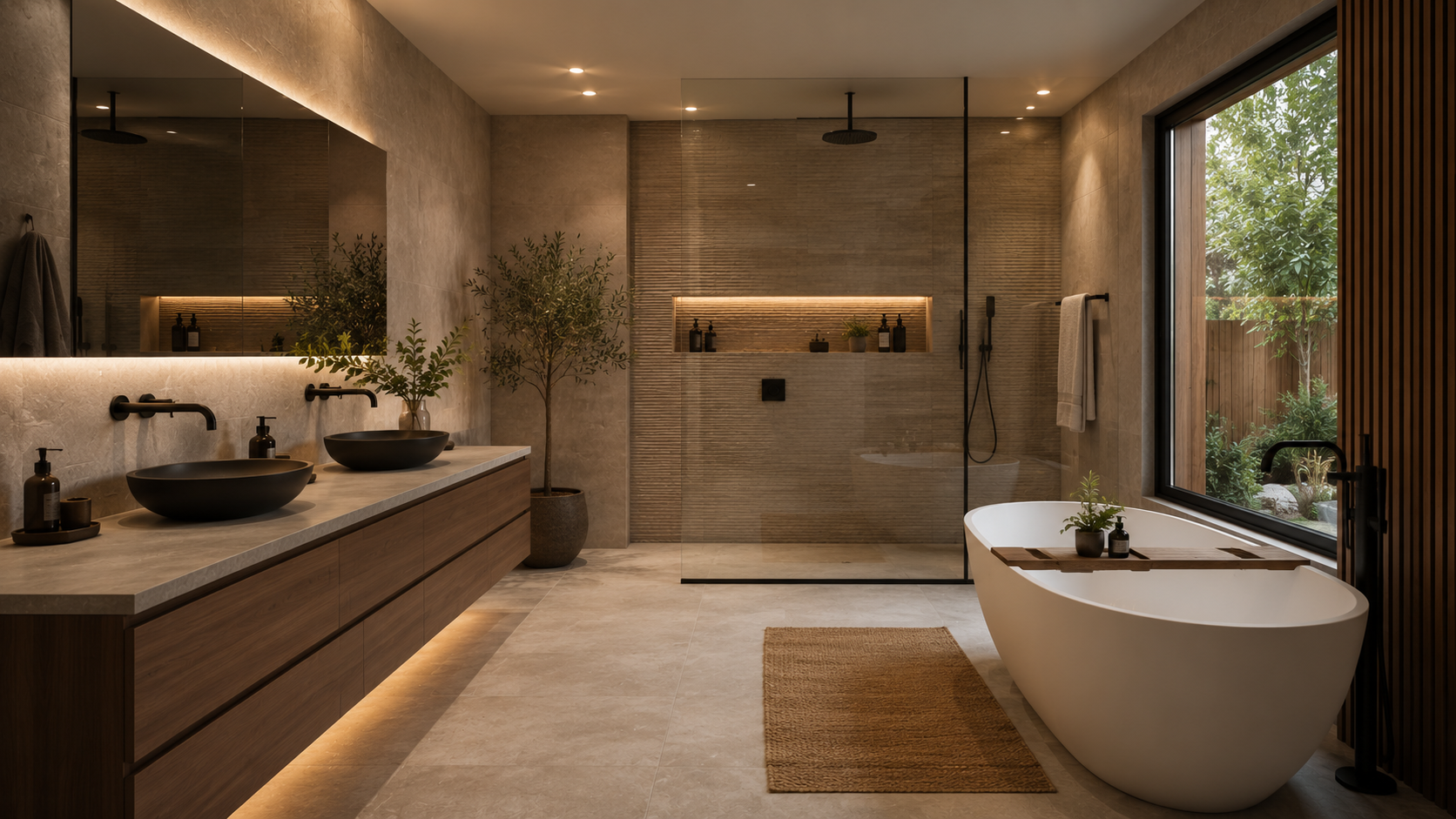
AI bathroom remodel visualization is best for comparing finish and style directions before committing to materials, contractor scope, or a full renovation plan.

AI exterior before-and-after images are useful when they help teams compare curb appeal ideas without changing the real structure or overpromising the renovation.
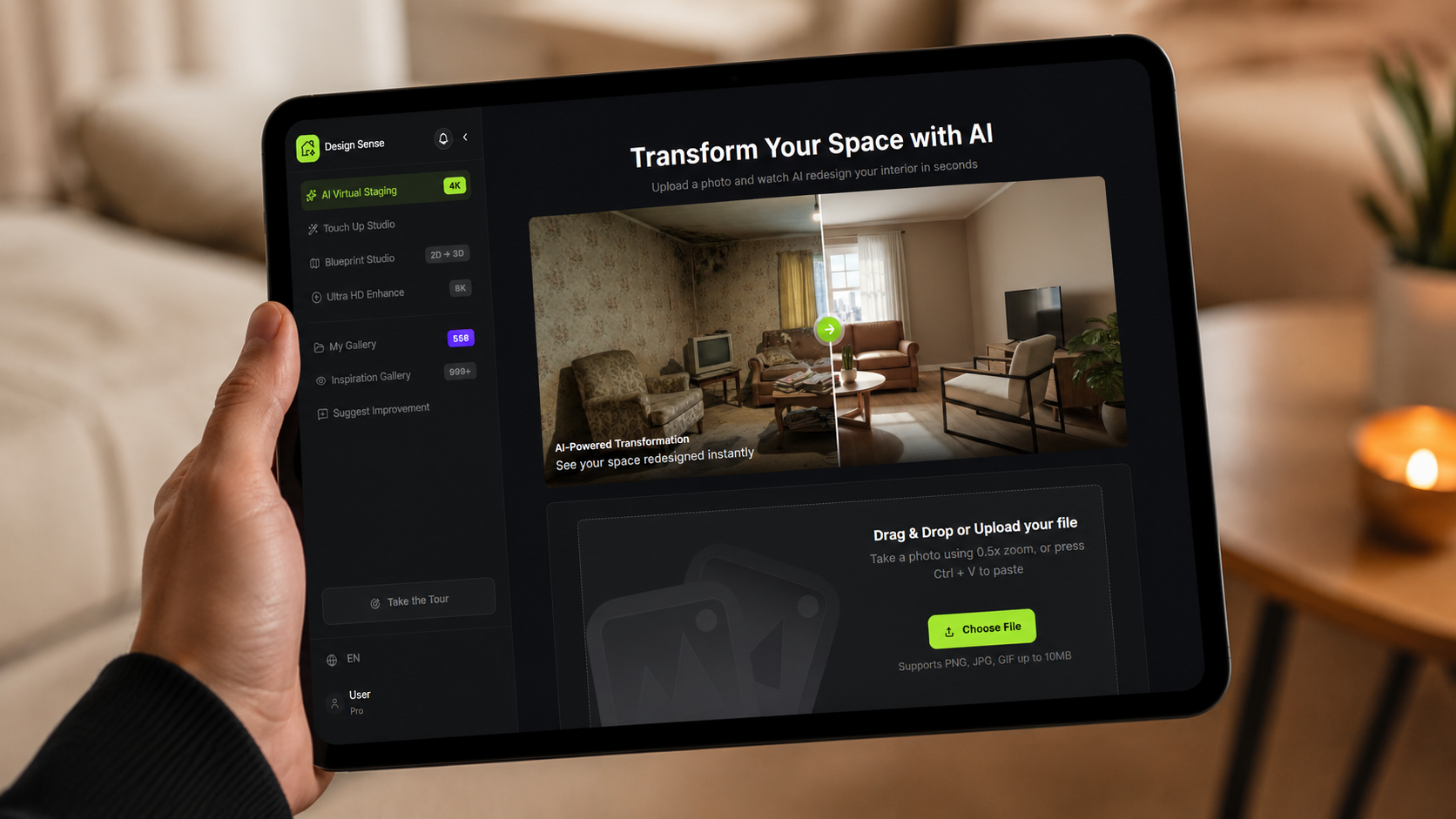
AI room redesign is strongest when it helps homeowners, designers, and property teams compare visual directions before spending on furniture, finishes, or renovation work.
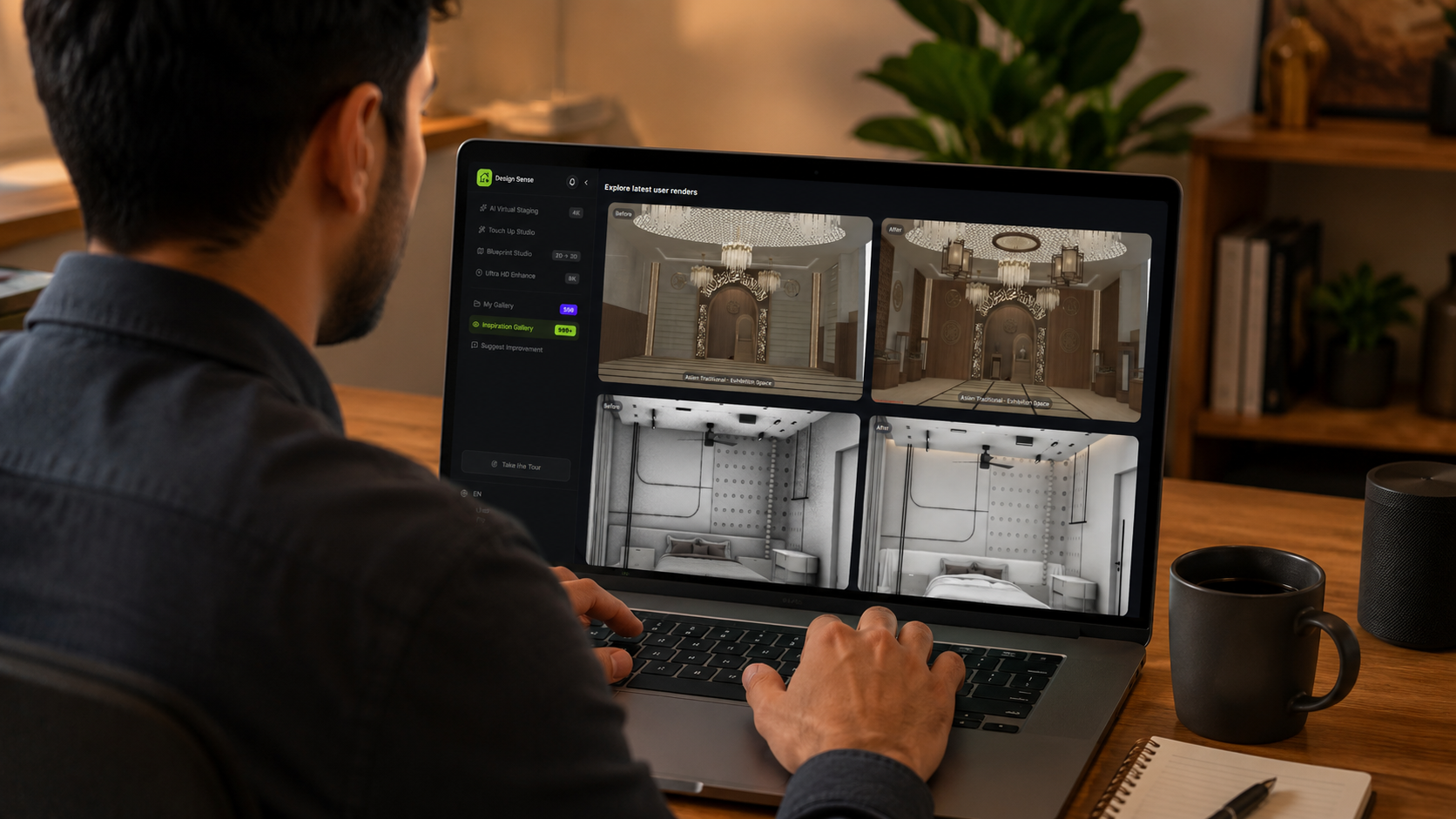
The best AI virtual staging tool is the one that helps your team create realistic listing visuals quickly, review them safely, and move approved photos into the listing workflow.
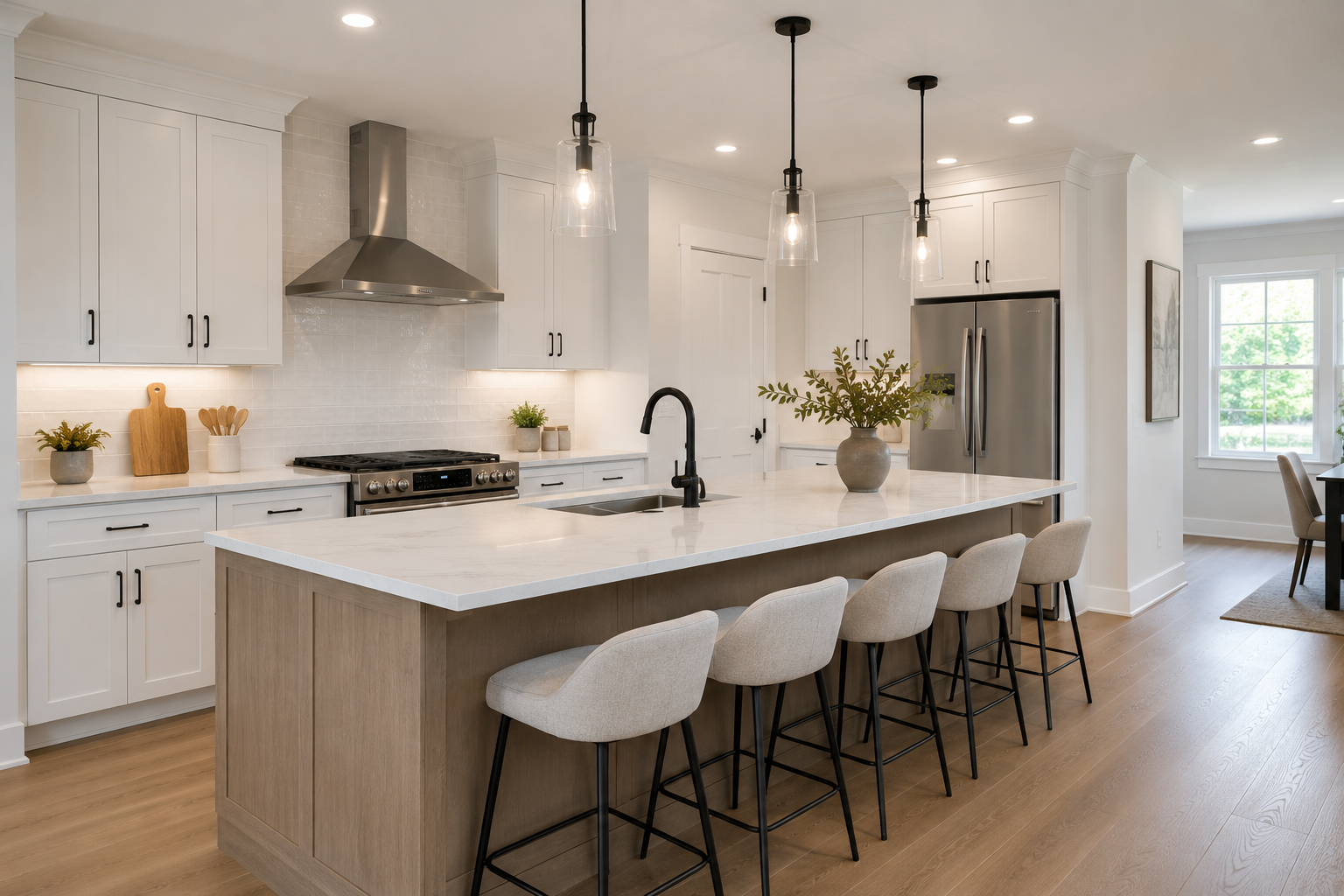
New-construction virtual staging helps buyers understand finished empty rooms, model alternatives, and lifestyle context before physical staging is practical.
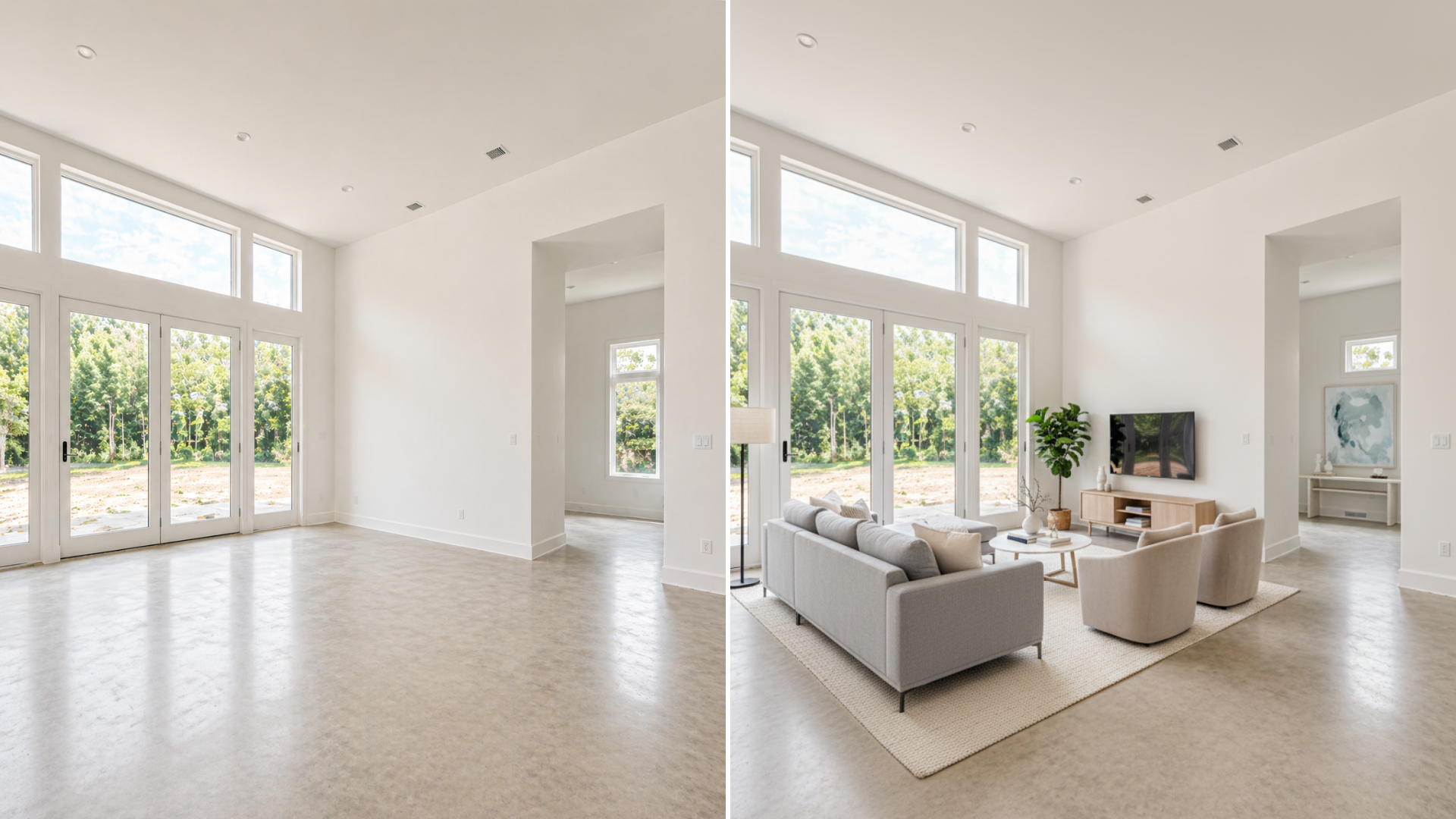
AI virtual staging works best when it clarifies vacant, dated, compact, or confusing rooms that matter to buyer decisions.
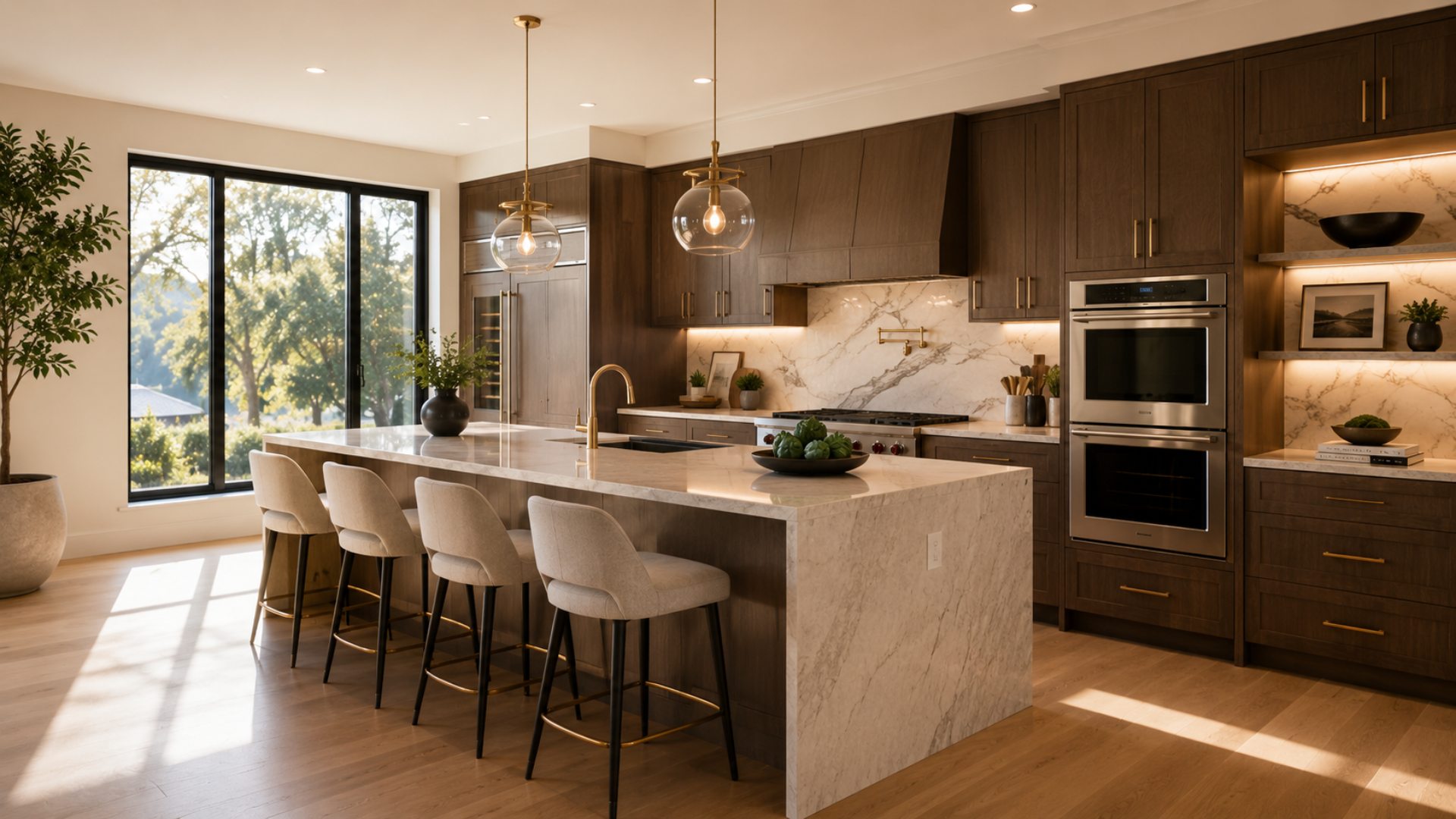
Luxury virtual staging can support early visual direction and listing prep, but premium properties need stricter realism, style fit, and in-person expectation management.

Rental-property virtual staging should help prospects understand layout and lifestyle quickly without implying that furniture, finishes, or amenities are included.

Condo virtual staging works best when it solves small-space clarity: furniture scale, room purpose, storage expectations, and the lifestyle around the unit.
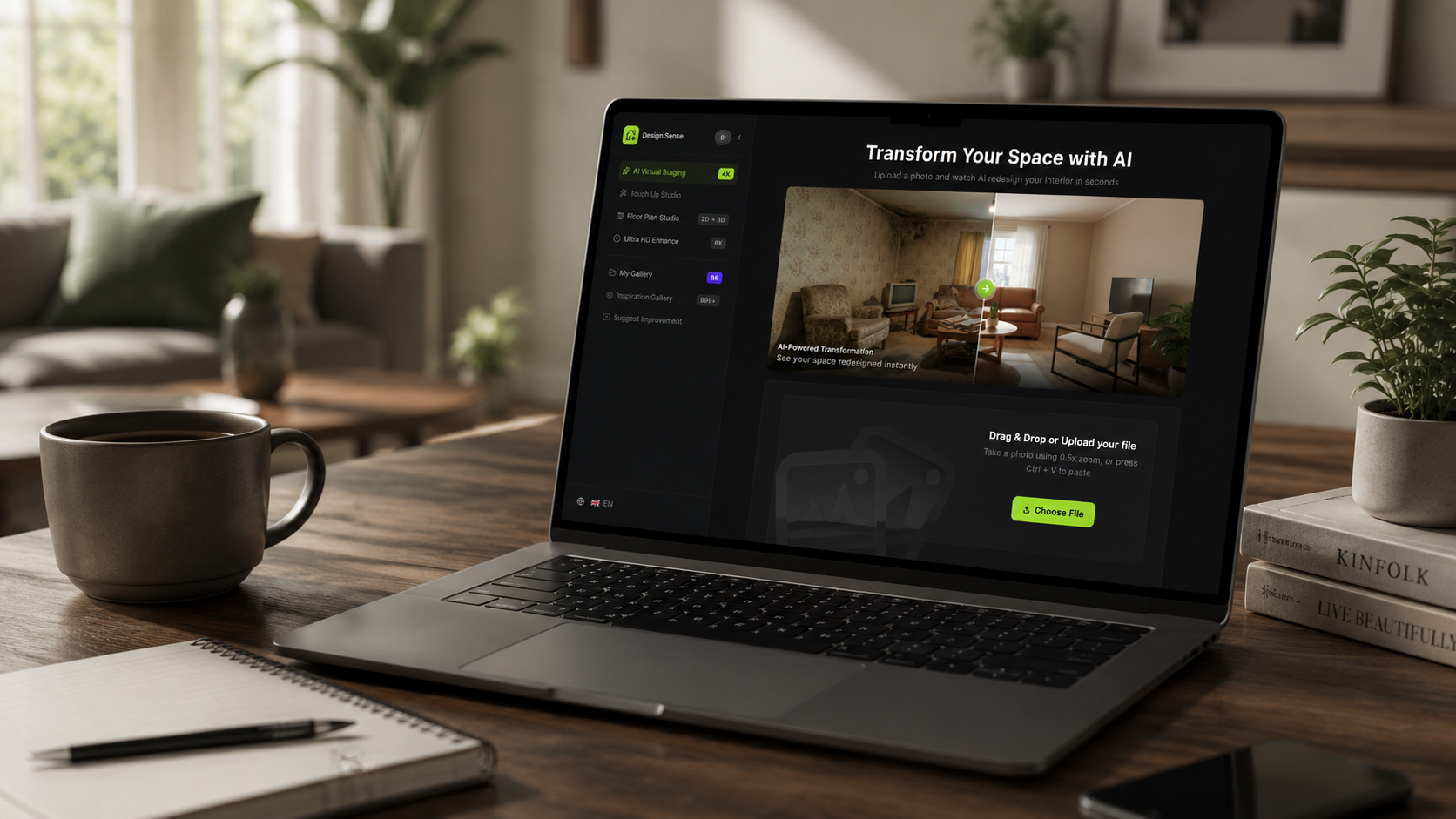
Realistic AI virtual staging comes from good source photos, restrained style choices, human review, and a workflow that rejects anything buyers would not believe in person.
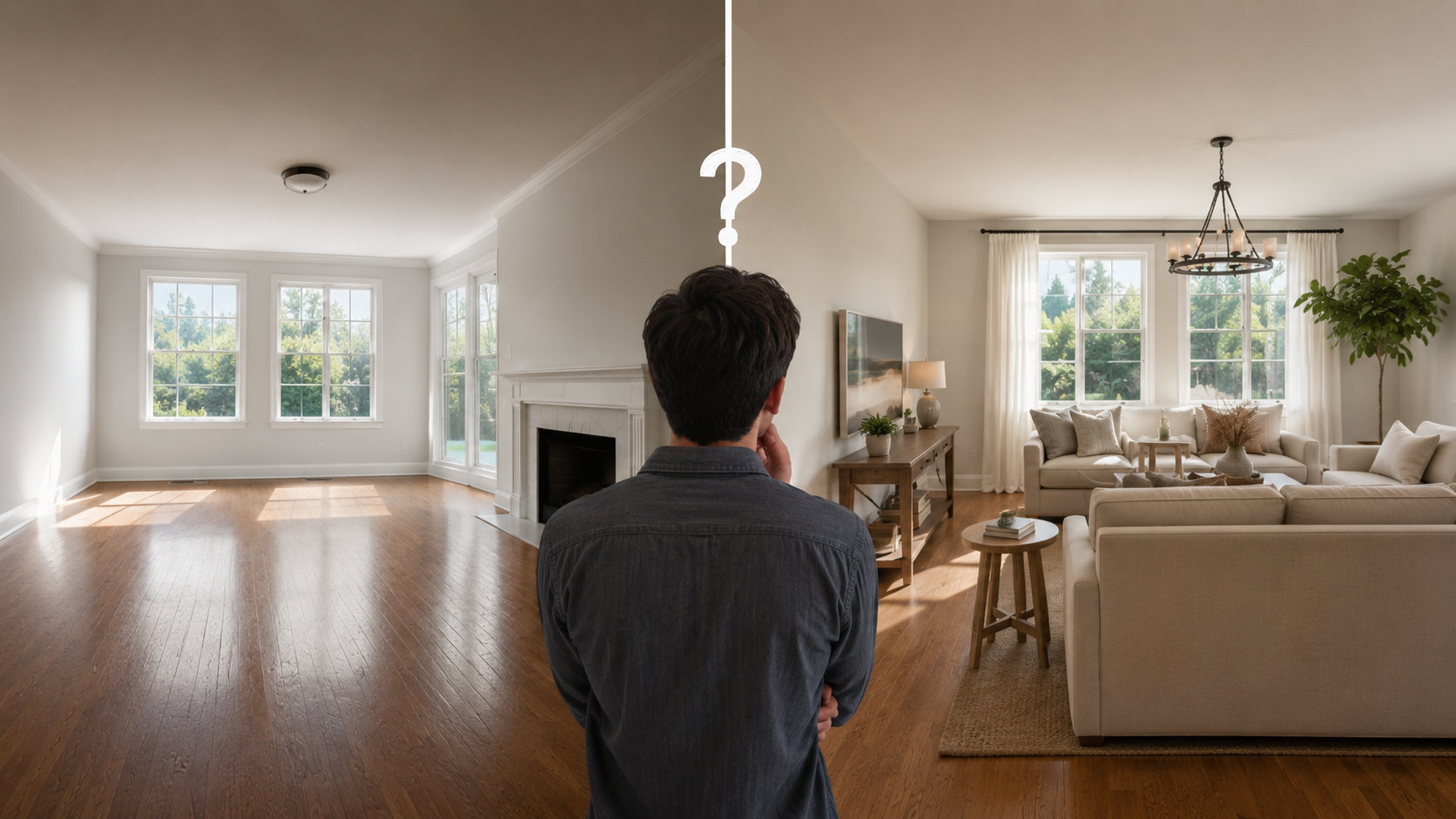
Vacant rooms are usually easier to stage with AI. Occupied rooms can work too, but they need stricter review around decluttering, replacement furniture, and disclosure.
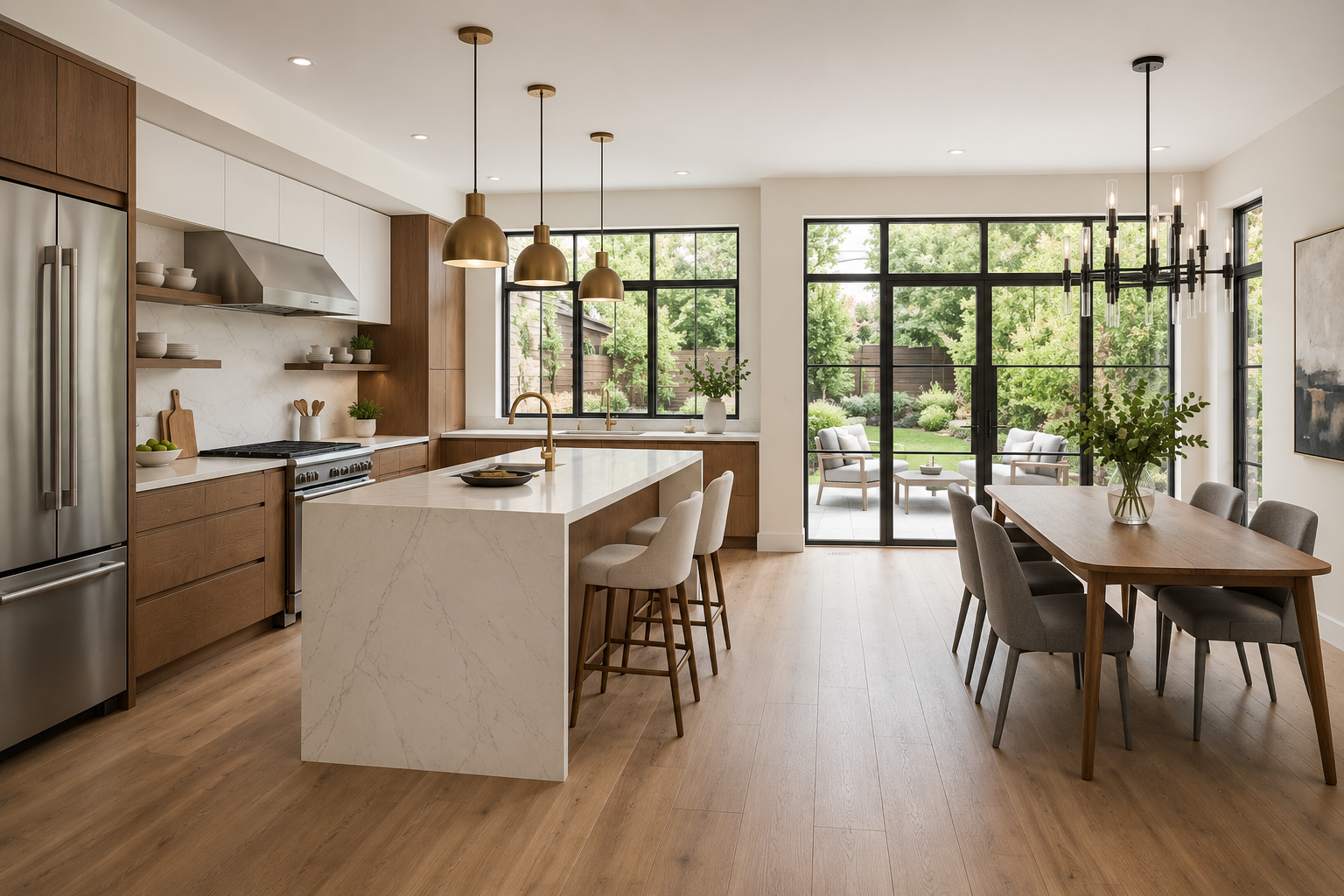
The best rooms to virtually stage first are the rooms that shape buyer understanding: living areas, primary bedrooms, dining spaces, and confusing flex rooms.

Virtual staging works best when it clarifies the listing. These are the mistakes that make AI-staged rooms look unrealistic, risky, or harder for buyers to trust.
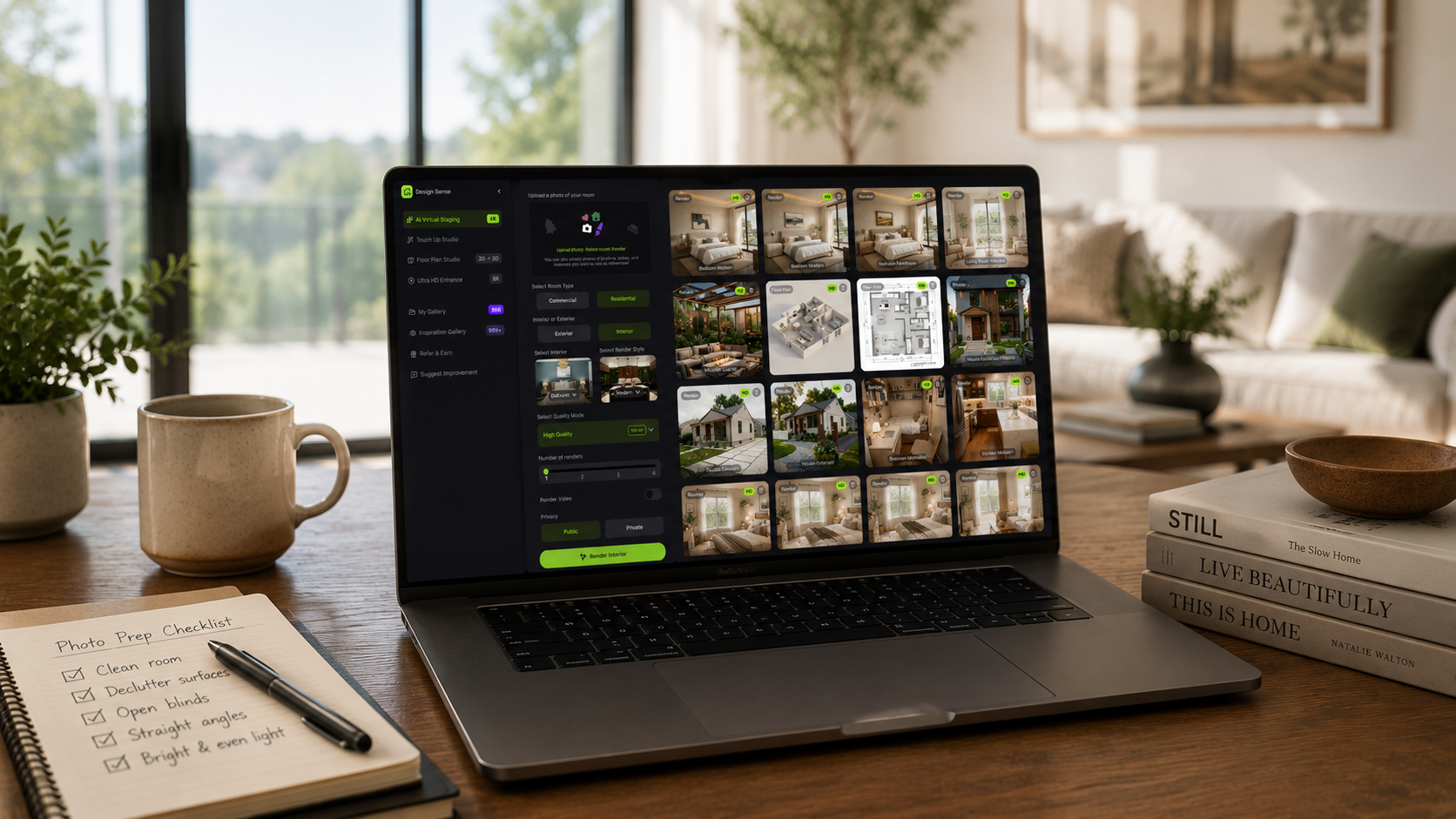
Better AI virtual staging starts before upload. Use this practical listing-photo checklist to capture rooms that stage cleanly, look realistic, and stay easier to review.
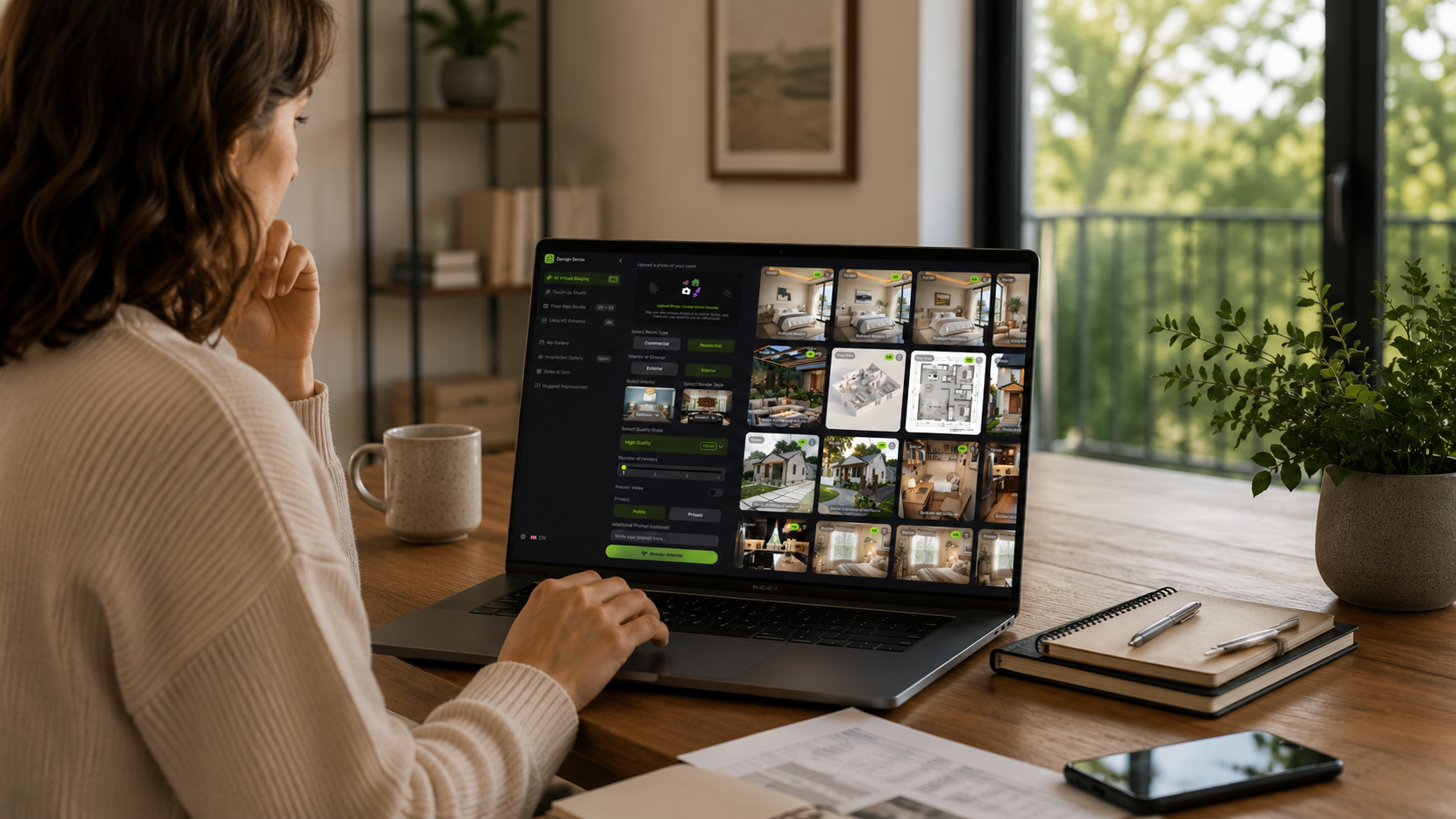
Most MLS guidance points in the same direction: label virtually staged photos clearly, keep originals available when required, and do not let AI edits misrepresent the property.
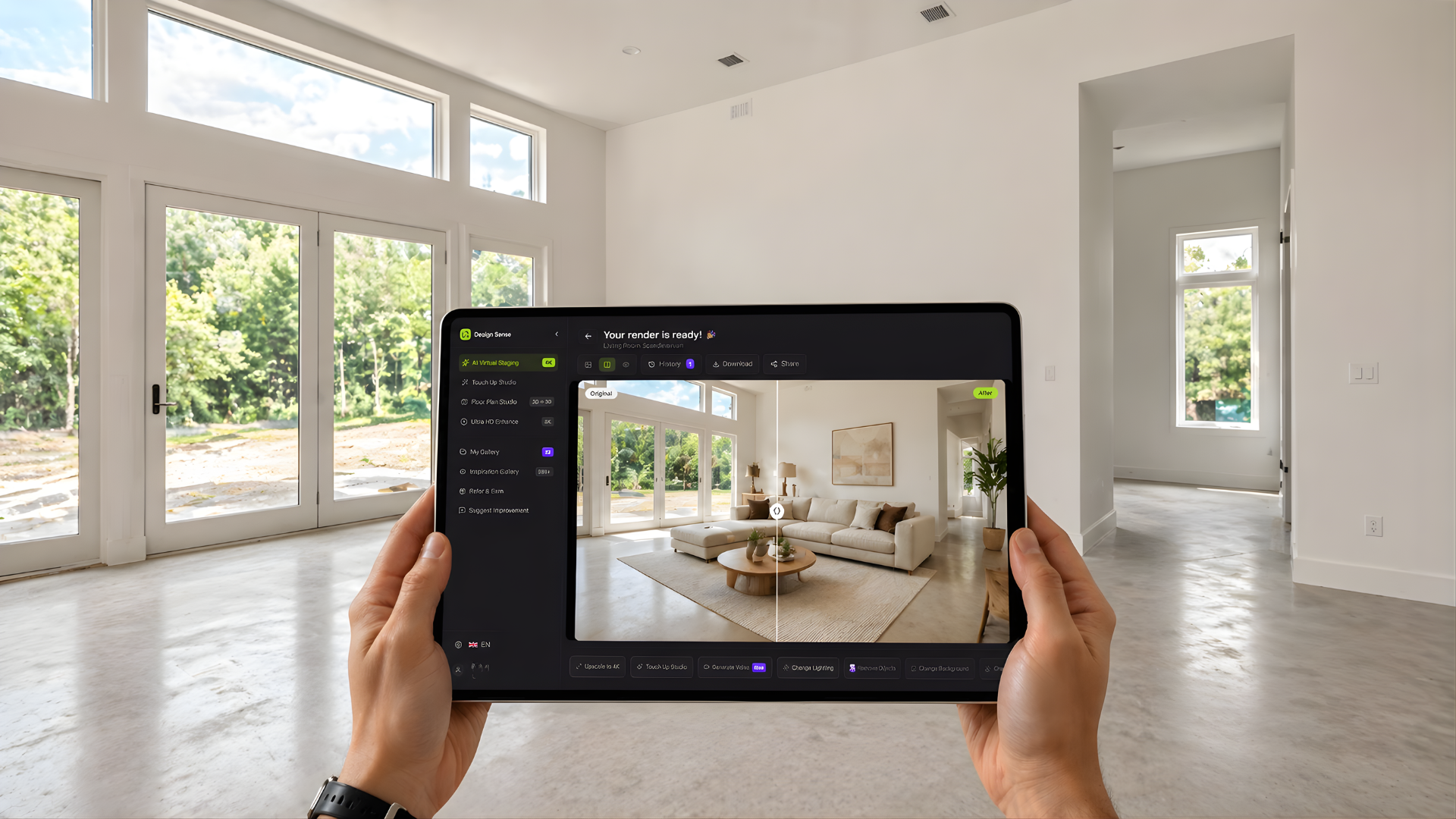
AI virtual staging turns a real property photo into a clearer, furnished marketing image so buyers can read the room faster and agents can prep listings with less production friction.
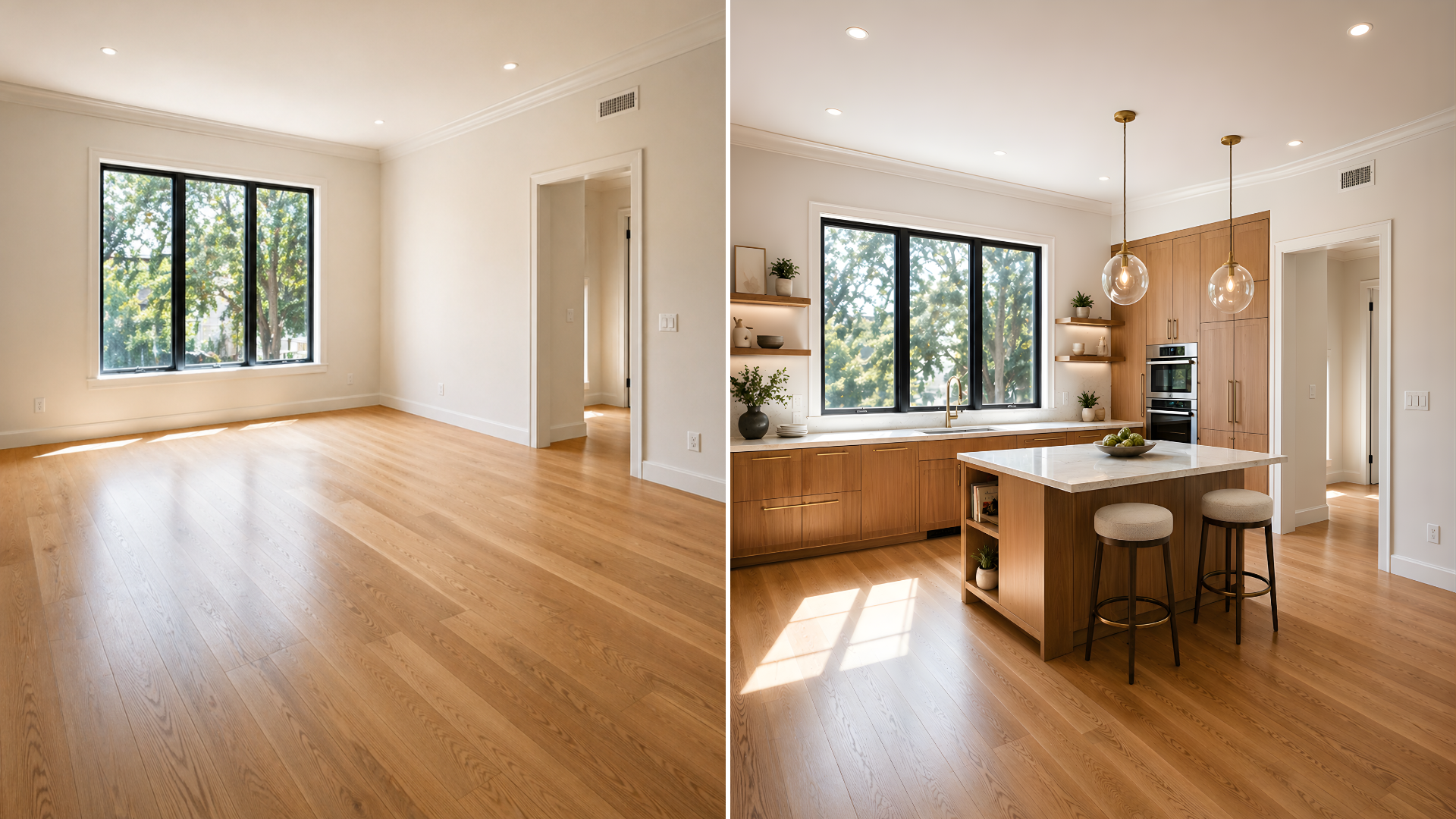
Virtual staging is usually faster and cheaper. Traditional staging is still stronger when the in-person experience has to match the listing perfectly. The right choice depends on the listing, not ideology.
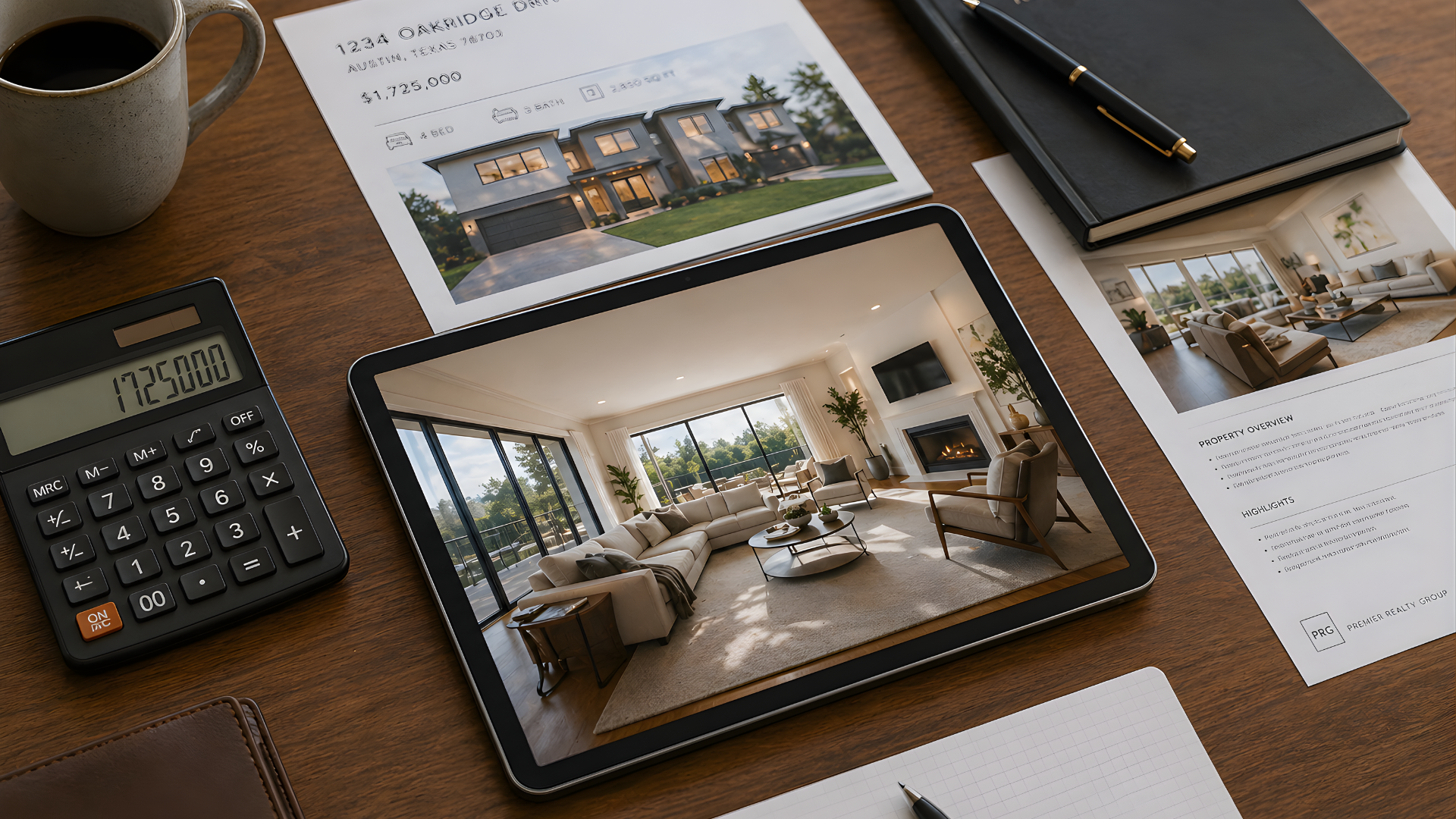
Virtual staging cost in 2026 depends on whether you buy per image, in bulk, or through a subscription. The right budget comes from staging the right rooms, not every room.

Real estate agents use AI staging to move from room photo to listing-ready visuals faster, especially for vacant or outdated homes where speed and clarity matter more than perfect physical styling.

Airbnb hosts can use AI interior design to test new looks, improve listing photos, and validate the strongest room direction before committing to a full refresh.

AI helps interior designers generate clearer concept options earlier, align with client taste faster, and reduce avoidable rounds of revision.
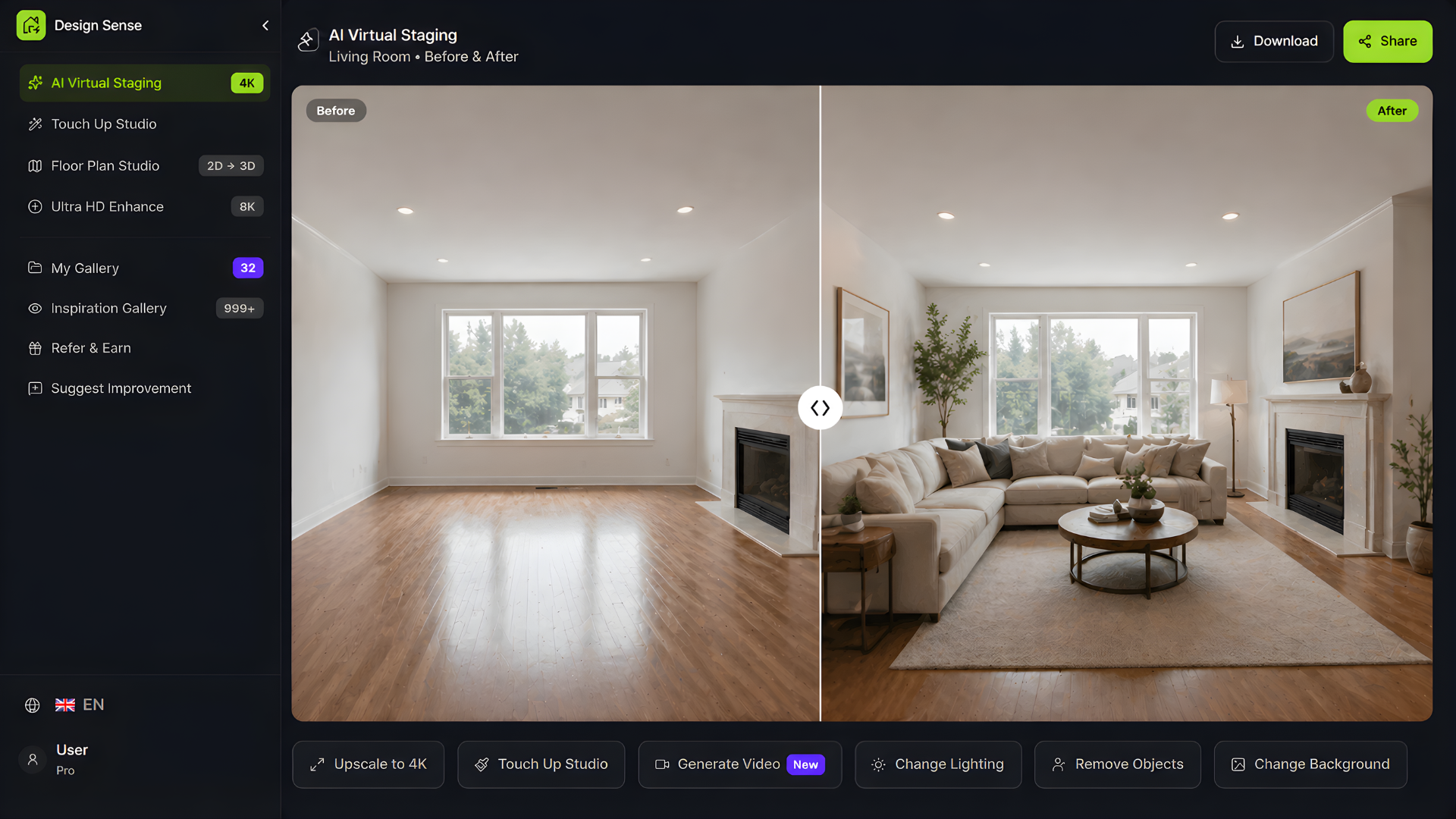
AI virtual staging helps real estate agents and marketers present empty spaces more clearly, improve first impressions, and move listings live faster.