What this article says in 30 seconds
- Virtual staging usually wins on speed and cost
- Traditional staging still wins when the physical showing experience must match the listing exactly
- Many listings benefit more from a selective or hybrid approach than from staging every room
Use DesignSense for this workflow when you need to:
- Agents comparing staging options for vacant or outdated listings
- Teams deciding between lower-cost digital staging and higher-touch physical staging
- Marketers who need a fast recommendation for the current listing
Virtual staging is usually the better choice when the goal is to get listing photos ready fast and keep spend under control. Traditional staging is still the stronger option when the home needs to feel exceptional in person, not just online.
That is the short answer, but it needs context. Real estate teams often compare these two approaches as if one is always better. In reality, they solve different parts of the listing problem. If you need the category baseline first, start with what AI virtual staging actually is.
The core difference
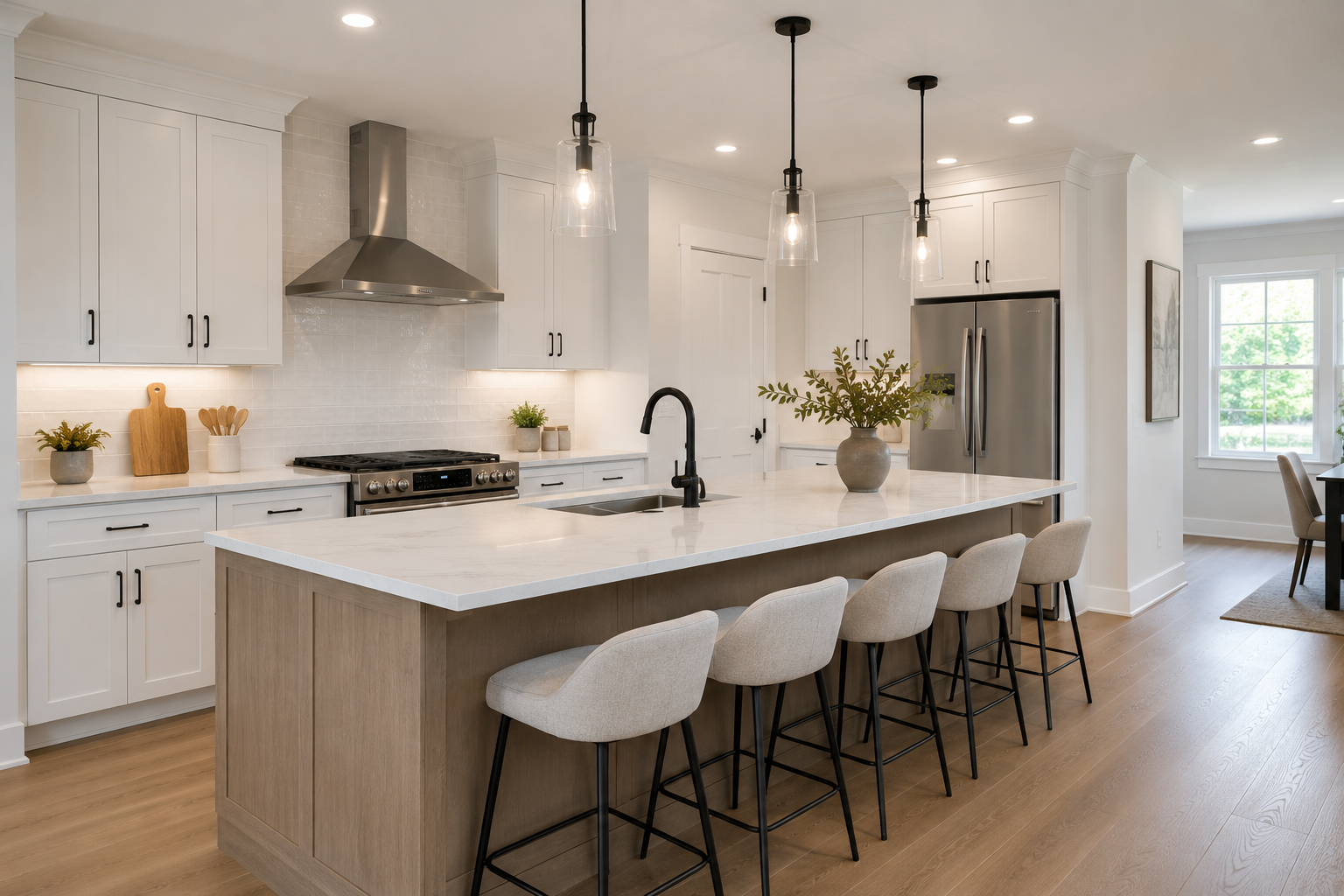
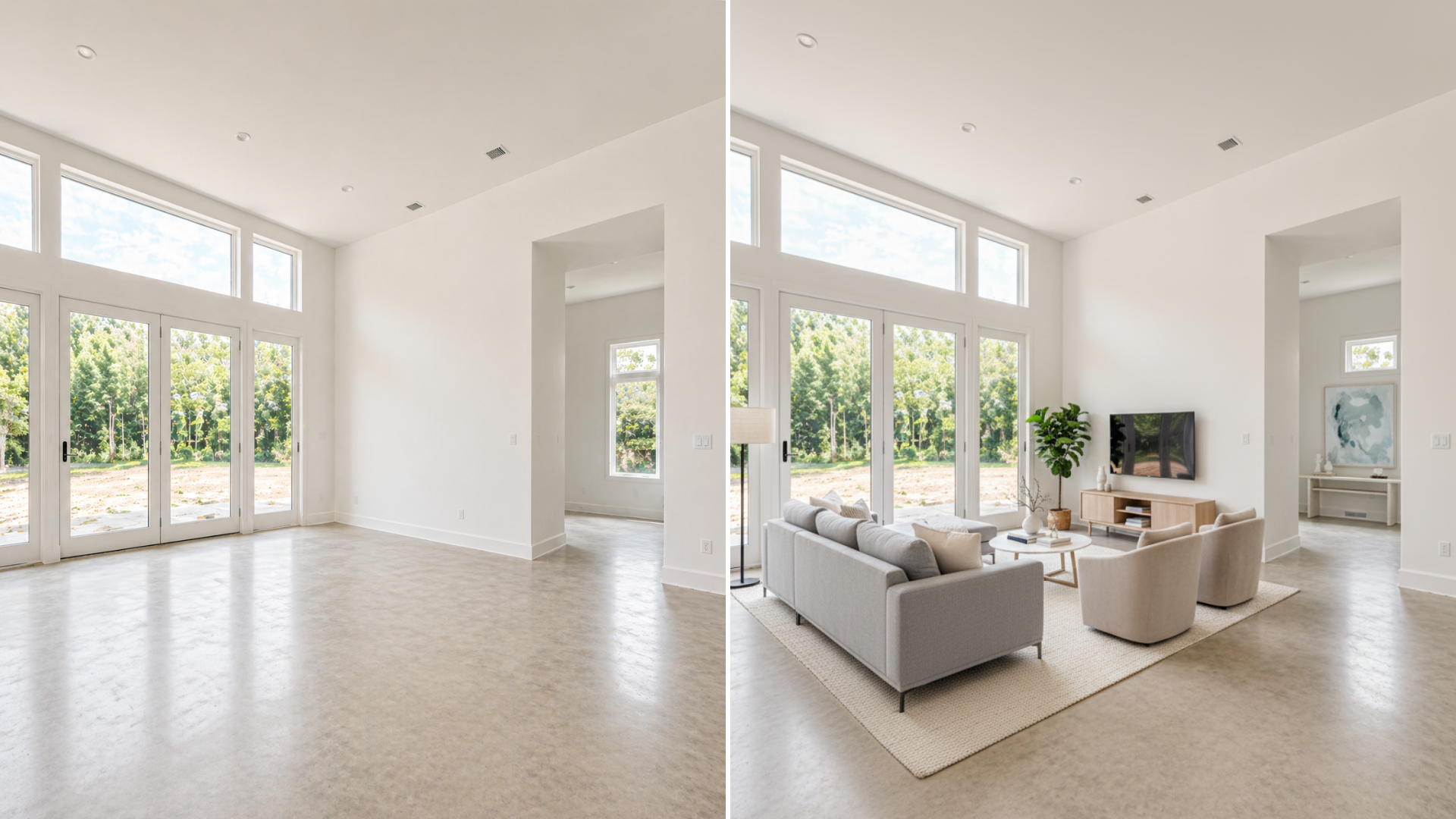
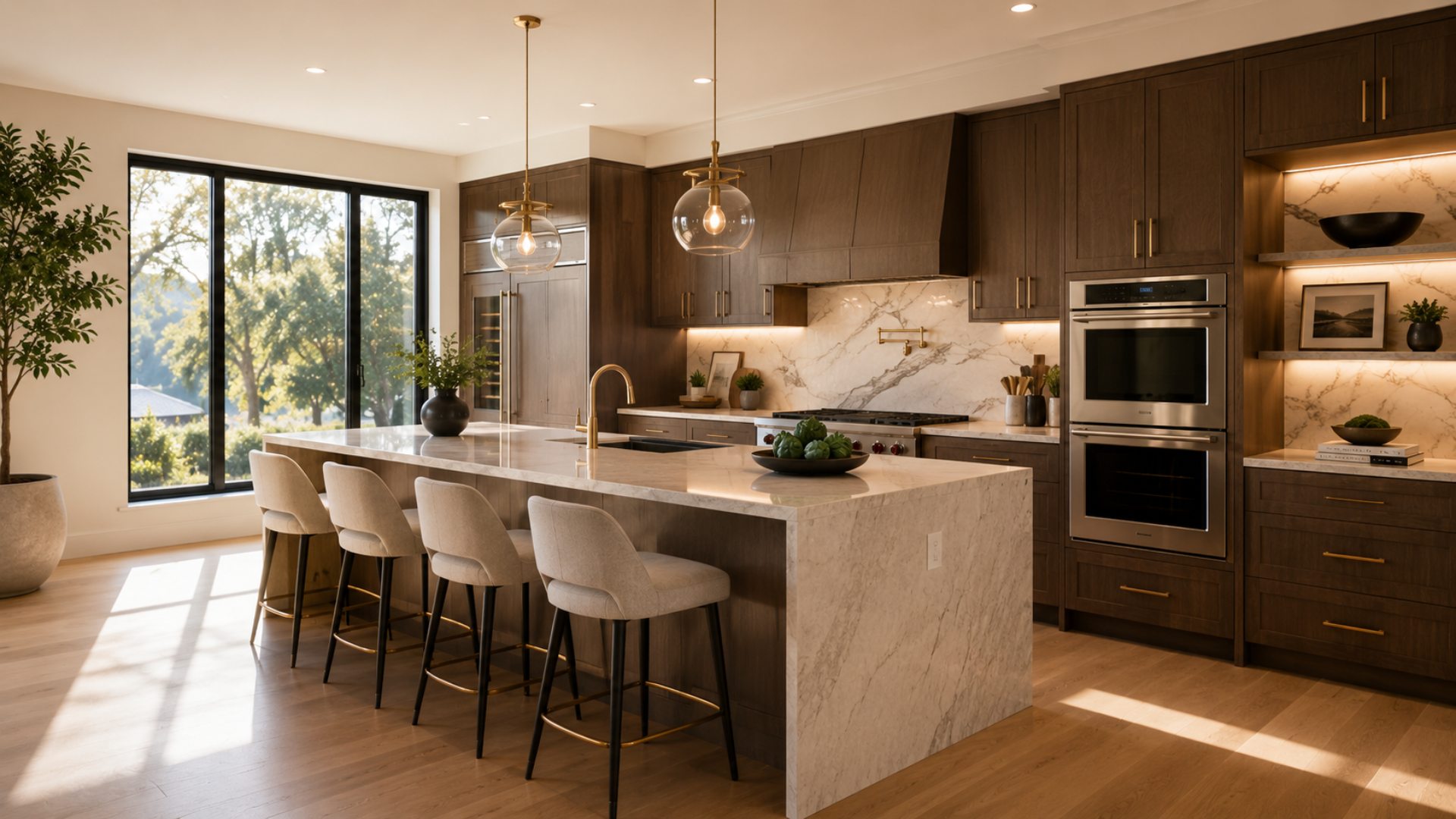
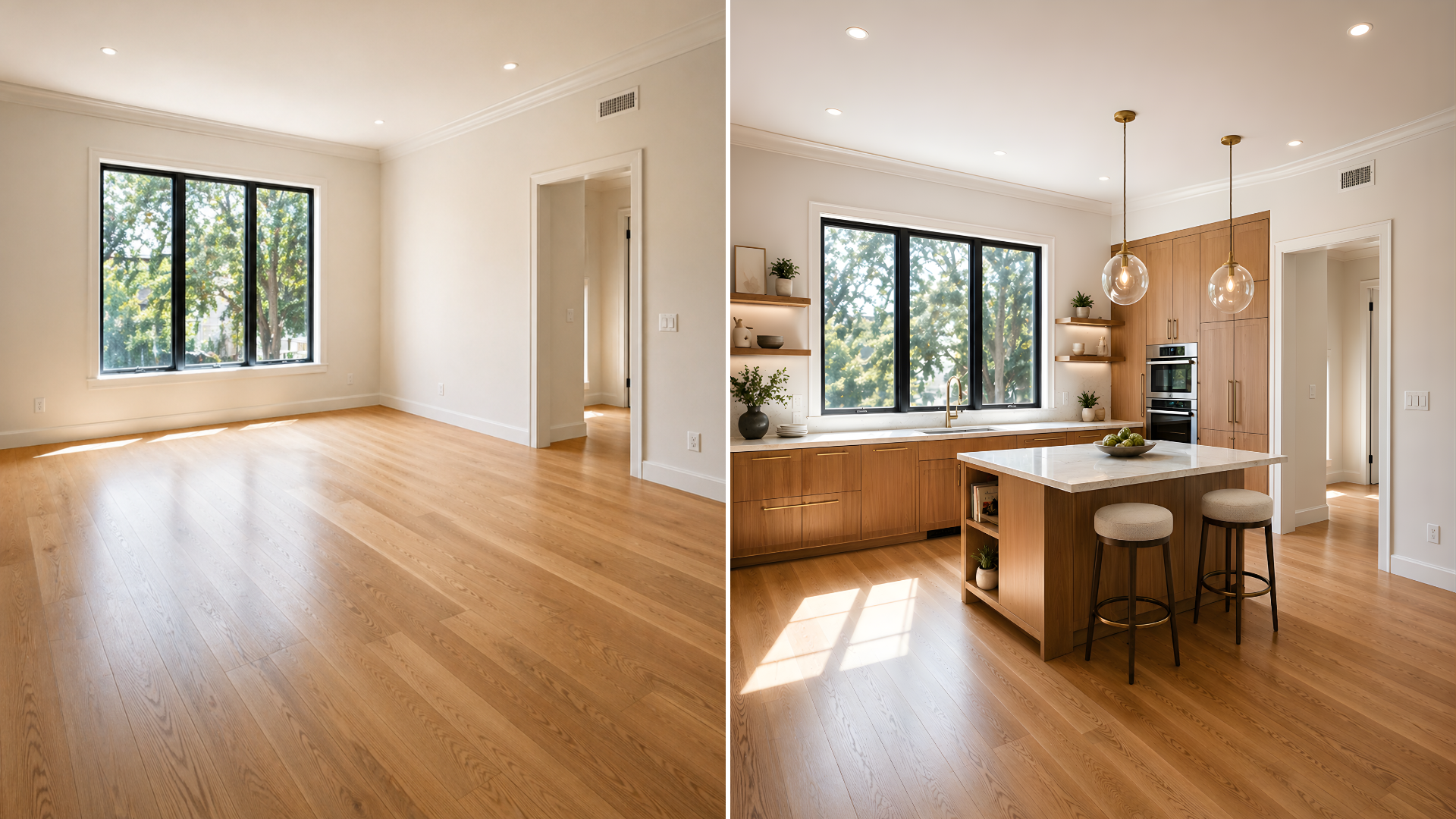
Virtual staging changes the marketing image. Traditional staging changes the physical room itself.
That single difference affects almost everything else:
- Cost
- Timing
- Buyer expectations
- Showing experience
- Revision flexibility
If the listing battle is happening primarily on Zillow, Redfin, MLS feeds, and social previews, virtual staging gets stronger quickly. If the showing experience is the real differentiator, traditional staging starts to matter more.
Where virtual staging wins
Virtual staging is usually the better option when the listing needs speed, flexibility, and cost control. It tends to win on:
- Faster turnaround
- Lower upfront spend
- Easier experimentation across different room directions
- Better fit for vacant or visually outdated spaces
- Easier portfolio-wide use across multiple listings
As of April 2026, public pricing examples still show a major gap between digital and physical workflows. Pay-per-image virtual staging examples remain far below the cost of full traditional staging, while physical staging still often lands in the hundreds or thousands per home. If you want the budgeting breakdown, read virtual staging cost in 2026.
Virtual staging is also easier to use when the team needs to test whether a room should read as a bedroom, office, dining area, or flex space before spending more on production.
Where traditional staging still wins
Traditional staging is stronger when the buyer needs to walk into the property and feel the value immediately. That matters most when:
- The home is high-end and expectation management matters
- The architecture or craftsmanship needs to be experienced in person
- Open houses are a major part of the strategy
- The seller is already investing heavily in premium presentation
- The listing needs a true move-in-ready feeling during tours
A recent March 2026 Realtor.com article made this point directly: AI staging may help generate clicks, but traditional staging or a hybrid strategy can still be more convincing when buyers arrive in person and compare the real home against the listing photos.
That does not mean traditional staging is always better. It means the gap between photo appeal and showing reality matters more for some properties than for others.
Cost and speed are not close
This is the easiest part of the comparison. Virtual staging is usually much cheaper and much faster.
Traditional staging usually requires:
- Scheduling the stager
- Moving or renting furniture
- Preparing the space
- Photographing the staged home
- Paying for the staging period itself
Virtual staging usually starts from the existing room photo and compresses that entire process into a much shorter production loop.
That is why many teams now use virtual staging first, especially for vacant homes, dated spaces, or listings that need to go live quickly.
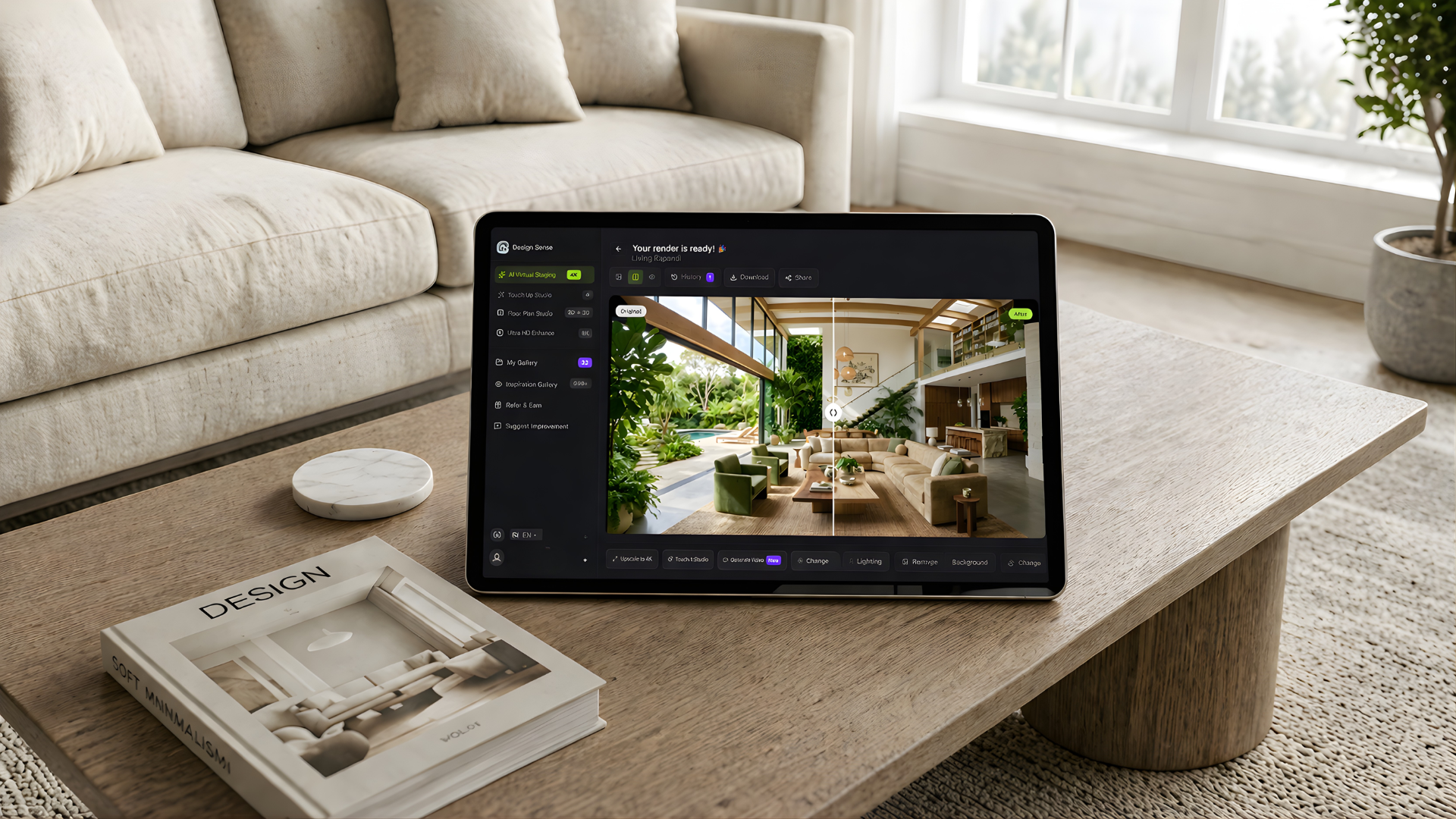
Buyer experience is where the decision changes
The real debate is not about software versus furniture. It is about buyer experience. Virtual staging is excellent at improving the first click.
Traditional staging is excellent at reinforcing the in-person visit.
If the listing is likely to get filtered out before anyone schedules a showing, virtual staging can solve the more urgent problem. If the listing already gets attention but needs stronger in-home emotional impact, traditional staging may create more value.
This is why luxury and architecturally distinctive homes often lean back toward physical staging. The physical visit is part of the sale.
Turn one room photo into a clearer next step.
Upload a room photo, test one or two believable directions, and get to a publishable listing visual faster.
The best choice for most listings is selective, not absolute
Most teams do not need a pure ideology here. They need a practical recommendation.
For many listings, the strongest approach is one of these:
- Virtual stage only the highest-impact rooms
- Traditionally stage only the hero spaces for showings
- Use a hybrid approach where digital staging improves online marketing and physical staging supports in-person tours
That hybrid logic is especially useful when budget is limited but the seller still wants one or two rooms to land well during open houses.
Where DesignSense fits
DesignSense is strongest when the question is: "Can we get to a listing-ready visual decision faster from the real room photo we already have?"
That is a virtual-staging question, not a furniture-rental question. The typical workflow is:
- Start with the original room photo
- Test a few realistic staging directions
- Keep only the clearest one
- Sharpen the final selected asset if needed
- Publish the approved marketing image
If that is the stage you are in, the fastest way to evaluate the workflow is to test one room in the free trial before committing to a larger batch or a more expensive staging plan.
How to choose between them
Choose virtual staging when:
- The listing is vacant
- Budget is tight
- Speed matters
- The main problem is weak listing photography
- The team needs fast testing across a few directions
Choose traditional staging when:
- The in-person tour is the main conversion moment
- The property is premium enough to justify the spend
- Empty rooms feel cold or undersized during showings
- The seller wants the physical home to match the marketing exactly
Choose a hybrid when:
- The listing needs strong online performance and strong open-house performance
- Only one or two spaces truly need physical staging
- The team wants a lower-cost way to test before committing further
FAQ
Is virtual staging better than traditional staging?
Not universally. Virtual staging is usually better for speed, cost, and online listing presentation. Traditional staging is often better when the in-person showing experience needs to carry the sale.
Does virtual staging hurt buyer trust?
It can if the image becomes misleading. When the staged result stays realistic and disclosure is handled properly, it usually works best as a marketing clarification tool rather than a dramatic transformation.
Is traditional staging worth it in 2026?
Often yes for higher-end homes, design-sensitive properties, or listings where open-house experience matters. But it is usually harder to justify for every listing when virtual staging can solve the online marketing problem at a much lower cost.
Can agents use both virtual and traditional staging?
Yes, and that is often the smartest approach. A hybrid strategy lets the team improve digital listing performance while still investing physically in the rooms that matter most during tours.
Final thought
Virtual staging vs traditional staging is not a debate about which method is more legitimate. It is a decision about which part of the listing journey needs the most help right now.
If the problem is online clarity, virtual staging usually wins. If the problem is in-person emotional impact, traditional staging often wins. For many listings, the best answer is to use each method where it is strongest.
Turn one room photo into a clearer next step.
Use the free trial to turn one room photo into a staging direction that is easier to review, approve, and publish.